
See, Accept, Learn, Adjust
The Theory Behind Visual Analysis Tools
In his book, The Inner Game of Tennis, W. Timothy Gallwey talks of two halves of the self which are important for every competing athlete. This book has become a reference text for many performance athletes since its publishing in the 1970’s. The first half of the self is the ego-mind, which drives the athlete to compete, but can often create denial around faults that need to be corrected. The second is the body-instinct, which is created through repetition of activities and when trained gives the athlete the form of which they are capable. Most athletes struggle with the balance between the two, where the ego-mind overrules body-instinct and causes incorrect form. The most successful athletes are those that can block their ego-mind entirely, performing on body-instinct alone.
The ego-mind is stubborn and often requires self-confirmation before it can be changed. This is why ballerinas train in front of a mirror. Visual confrontation in training presents the ego-mind with irrefutable evidence of incorrect form and allows it to create new opinion. This opinion then drives training of the body-instinct through repetition of the corrected form. Archery coaches use a ‘thousand arrows’ mantra to indicate the training required to cement this transition. The theory then suggests that if an athlete can quiet their ego-mind during performance, the trained body-instinct takes over and performance becomes optimal. Visual confrontation allows the body-instinct to be built around correct form, and so the challenge for the archer is reduced to a psychological rather than physical one.
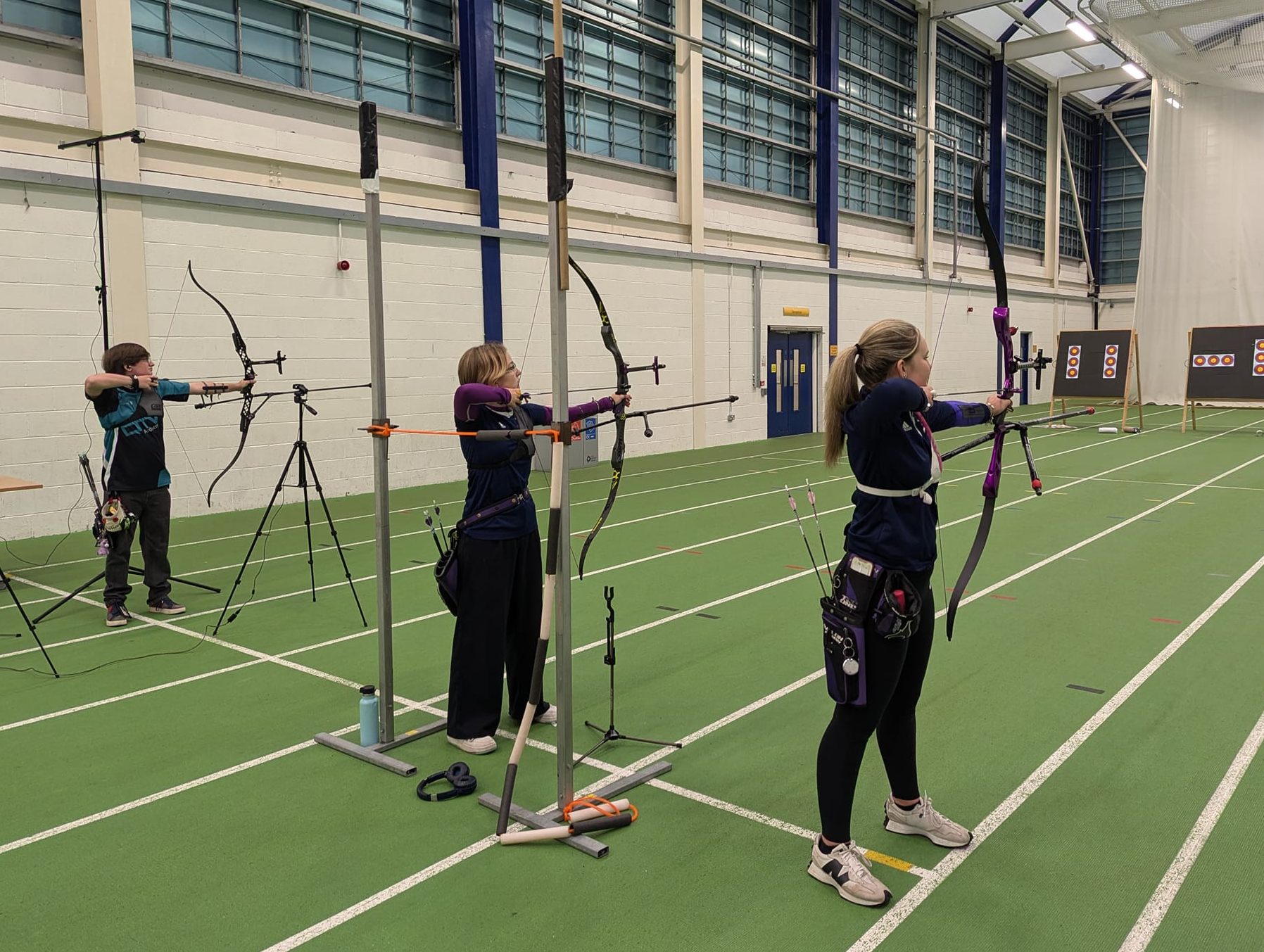
While the art of archery was first accessibly codified in 1545 in Roger Ascham’s Toxophilus, which gave us 5 stages at which to analyse archery form: standing, nocking, drawing, holding, and loosing, and in the intervening years more discrete steps have since been defined, in general they’ve been analysed by a coach standing on the line and watching you shoot. In high end sport, video analysis has been available for a few years now, but only recently it has become very democratic from a pricing perspective. Here we explore how you can use it.
Performance Analysis System
Performance Analysis System (PAS) is a low-cost multi-camera solution that allows for remote coaching and form analysis
Coach 360
Coach 360 is an advanced multi-camera solution that allows linking 10 cameras for professional analysis and event broadcasting.
 rawarchery.com